
Top Mistakes to Avoid During a Fire Safety Audit
Introduction to Fire Safety Audits
Fire safety audits are crucial for ensuring the safety and compliance of any building or facility. However, conducting these audits requires careful attention to detail. Making mistakes during the audit process can lead to severe consequences, including safety hazards and legal issues. In this blog post, we'll explore the top mistakes to avoid during a fire safety audit.
Overlooking Regulatory Requirements
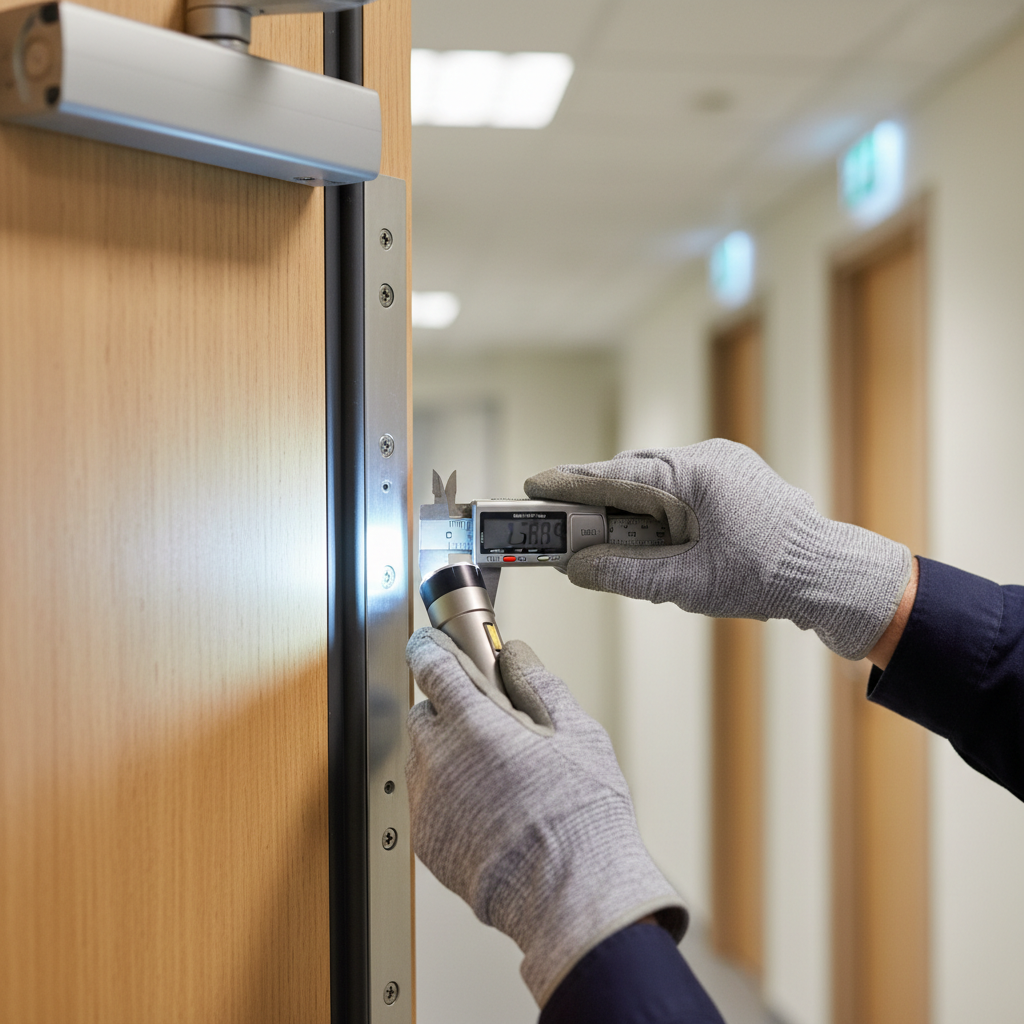
One of the most critical errors is ignoring or misunderstanding regulatory requirements. Fire safety regulations can vary by region, so it's essential to be familiar with the specific laws applicable to your area. Failure to adhere to these regulations can result in penalties and increased risk of fire hazards.
Staying Updated with Changes
Regulations are not static; they evolve to address new risks and technologies. Staying updated with the latest changes is crucial. Regularly reviewing local codes and attending relevant training can help ensure compliance. Never assume that last year's audit covers this year's requirements.
Inadequate Documentation
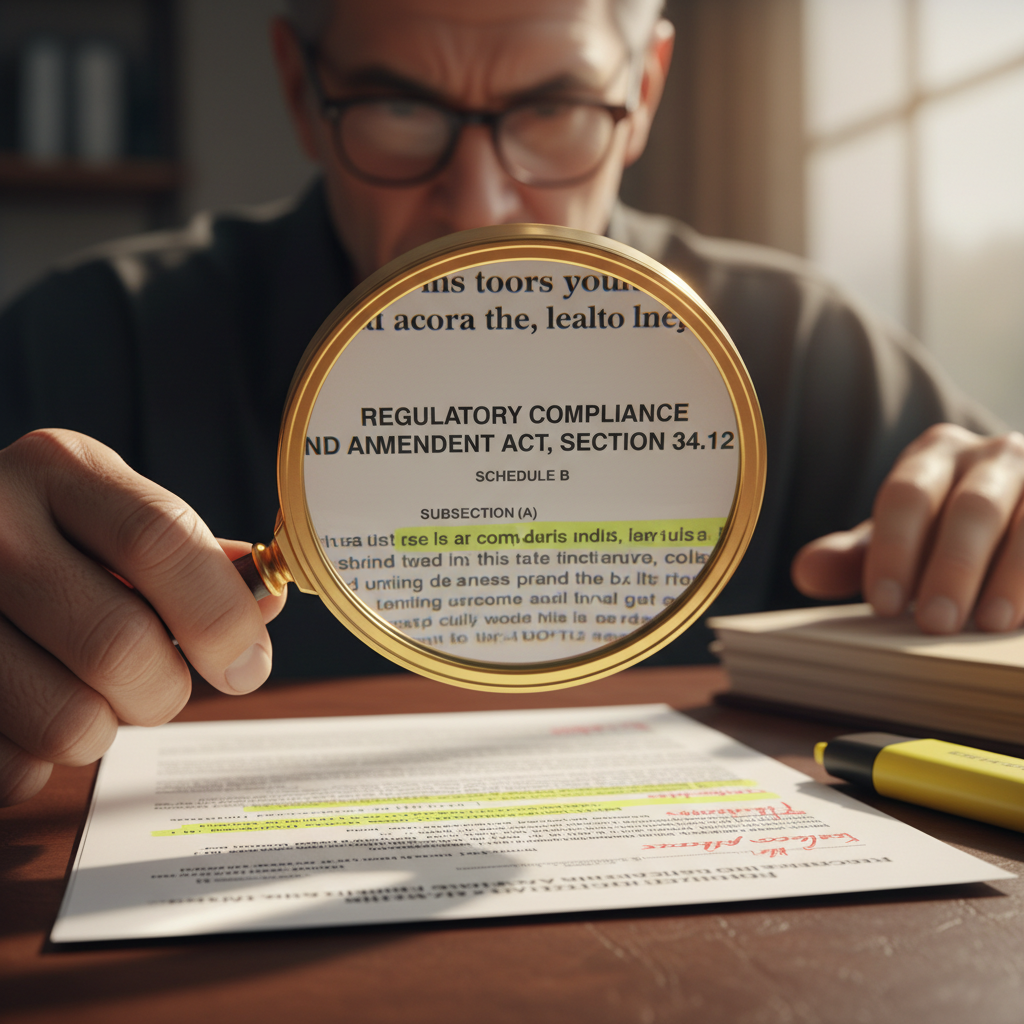
Proper documentation is a cornerstone of effective fire safety audits. Failing to maintain accurate and comprehensive records can hinder the audit process and make it difficult to track compliance over time. Documentation should include inspection reports, maintenance records, and staff training logs.
Ensuring Consistency in Records
Consistency in record-keeping is vital. Make sure that all documents are up-to-date and easily accessible. Incomplete or scattered records can lead to confusion and missed safety checks, which could be detrimental in an emergency.
Ignoring Employee Training
Another common mistake is neglecting the training of employees. Even the most thorough audit won't be effective if your staff lacks the knowledge to implement fire safety measures. Training should be regular and comprehensive, covering evacuation procedures, fire extinguisher use, and emergency contacts.
Conducting Regular Drills
Regular fire drills are essential to ensure that all employees know their roles during an emergency. Drills help reinforce training and identify any weaknesses in the current safety plan. Prioritize regular practice to enhance readiness.

Neglecting Equipment Maintenance
Fire safety equipment must be in optimal working condition at all times. Neglecting routine maintenance can compromise safety systems, making them ineffective during a crisis. Ensure that all equipment, such as fire alarms, extinguishers, and sprinkler systems, is regularly inspected and maintained.
Scheduling Routine Checks
Create a maintenance schedule to ensure that all equipment is checked and serviced at regular intervals. This proactive approach can prevent equipment failure and ensure that systems function correctly when needed most.
Conclusion
A successful fire safety audit requires attention to detail, thorough documentation, and regular updates to training and equipment. By avoiding these common mistakes, you can enhance the safety and compliance of your facility, safeguarding both property and lives. Remember, proactive measures are always more effective than reactive solutions in fire safety.