
Preparing for Your Seasonal Fire Escape Inspection in NJ
Understanding the Importance of Fire Escape Inspections
Fire escape inspections are a critical component of building safety, especially in New Jersey where seasonal changes can affect the integrity of these structures. Regular inspections ensure that fire escapes are safe, accessible, and functional in case of an emergency. Whether you own a residential building or a commercial property, preparing for your seasonal fire escape inspection is essential to safeguard the well-being of occupants and comply with local regulations.

Scheduling Your Inspection
The first step in preparing for a fire escape inspection is scheduling it at a convenient time. It’s advisable to plan inspections during mild weather conditions, avoiding extreme weather that could hinder the inspection process or obscure potential issues. In New Jersey, spring and fall are ideal seasons for these inspections.
Contact a certified fire escape inspector to set an appointment. Ensure that the inspector is familiar with New Jersey’s specific regulations and standards. Having a professional who understands local codes can make a significant difference in the quality and thoroughness of the inspection.
Pre-Inspection Preparations
Before the inspector arrives, there are several preparatory steps you can take to facilitate the process. Start by clearing any debris, snow, or ice from the fire escape. This ensures that the inspector has clear access to evaluate the structure. Next, check for visible signs of damage such as rust, loose bolts, or broken steps.
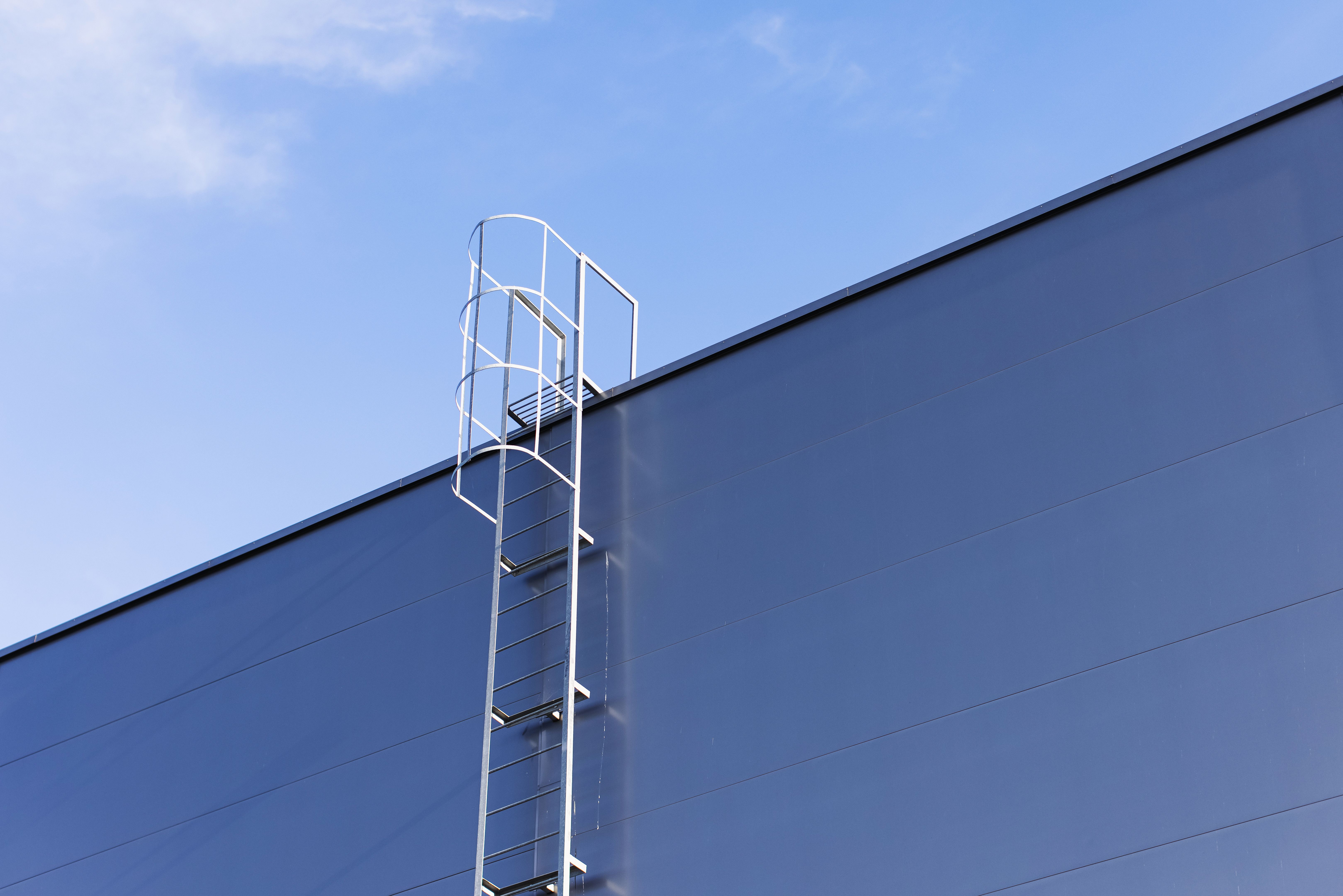
Ensure that all exits leading to the fire escape are unobstructed. This includes clearing pathways and removing any stored items that may block access. It’s also beneficial to review any previous inspection reports to address previously identified issues.
What to Expect During the Inspection
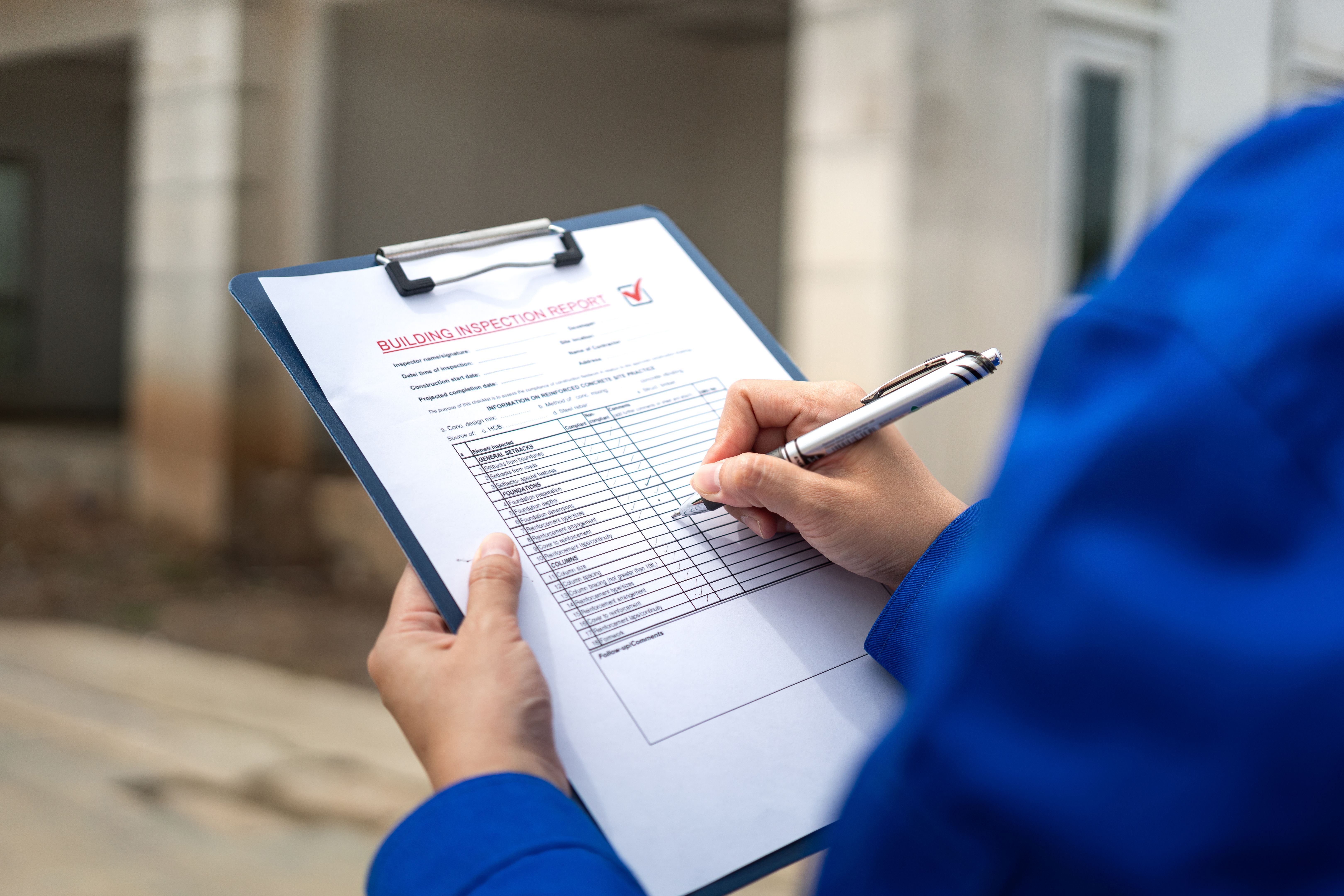
During the inspection, the professional will assess various components of the fire escape. This includes checking the structural integrity, evaluating the condition of the stairs and railings, and ensuring that all components meet safety standards. The inspector will also verify that the fire escape is properly anchored to the building.
Expect the inspector to test the functionality of the escape route, including making sure that exits and ladders operate smoothly. Any issues identified during the inspection will be documented, and you’ll receive a detailed report highlighting necessary repairs or updates.
After the Inspection: Taking Action
Once the inspection is complete, review the report carefully and prioritize the recommended repairs. Addressing these issues promptly is crucial to maintaining the safety of your building’s occupants. In New Jersey, failure to comply with fire escape regulations can result in fines and legal consequences, emphasizing the importance of timely action.
Consider working with a licensed contractor to handle any repairs or maintenance required. Choose contractors with experience in fire escape systems to ensure that repairs are done correctly and in compliance with local codes.
Regular Maintenance and Future Inspections
Beyond the immediate repairs, establishing a routine maintenance schedule can help extend the life of your fire escape. Regular maintenance involves inspecting the escape for new signs of wear, applying rust-inhibiting paint, and ensuring that exits remain clear and operational.
Plan for future inspections by setting reminders and keeping records of previous inspections and maintenance work. This proactive approach can prevent costly repairs and ensure continuous compliance with New Jersey’s safety standards.
By preparing thoroughly for your seasonal fire escape inspection, you can enhance safety and peace of mind, knowing that your building is equipped to handle emergencies effectively. Regular inspections and maintenance are key to ensuring that your fire escape remains a reliable means of egress in times of need.