
How to Prepare Your Building for a Fire Safety Audit
Understanding Fire Safety Audits
Fire safety audits are essential evaluations that ensure a building complies with safety regulations and is prepared for emergencies. Conducted by certified professionals, these audits assess the effectiveness of fire prevention measures and identify potential hazards. Preparing for such an audit can be a daunting task, but with the right approach, it becomes manageable and even beneficial for building safety.

Reviewing Fire Safety Equipment
The first step in preparing for a fire safety audit is to review and inspect all fire safety equipment. This includes fire extinguishers, smoke detectors, alarms, and sprinkler systems. Ensure that they are in good working condition and have been serviced according to the manufacturer's recommendations. Regular maintenance and testing are crucial to ensure their effectiveness in case of an emergency.
It is also important to check the placement of this equipment. Fire extinguishers should be easily accessible, and smoke detectors and alarms should be strategically installed to cover all areas of the building. Record these checks in a logbook, as auditors will likely request to see evidence of regular maintenance.
Updating Emergency Plans
Another critical component of preparing for a fire safety audit is updating your building's emergency plans. Ensure that evacuation routes are clearly marked and that emergency exits are unobstructed. Conduct regular fire drills to familiarize occupants with emergency procedures and to identify any areas for improvement.
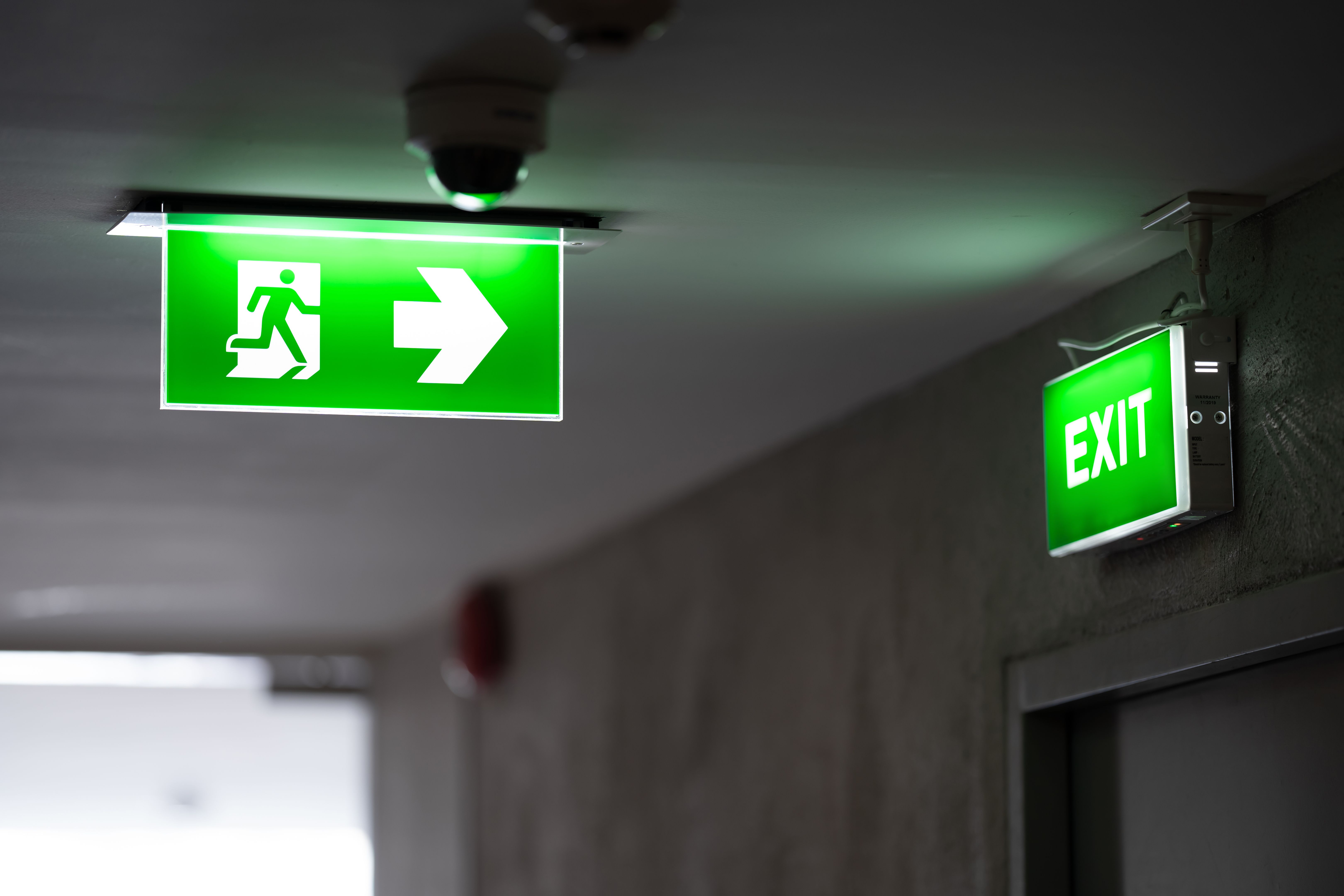
Consider developing a comprehensive emergency response plan that includes contact information for local emergency services, detailed evacuation procedures, and designated meeting points outside the building. Having a well-documented and practiced plan can significantly enhance the safety of all building occupants.
Training and Awareness
Training building occupants on fire safety protocols is essential for a successful audit. Organize training sessions to educate everyone about fire prevention measures, how to use fire safety equipment, and the procedures to follow during an emergency. This not only prepares them for an audit but also empowers them to act confidently in case of a fire.
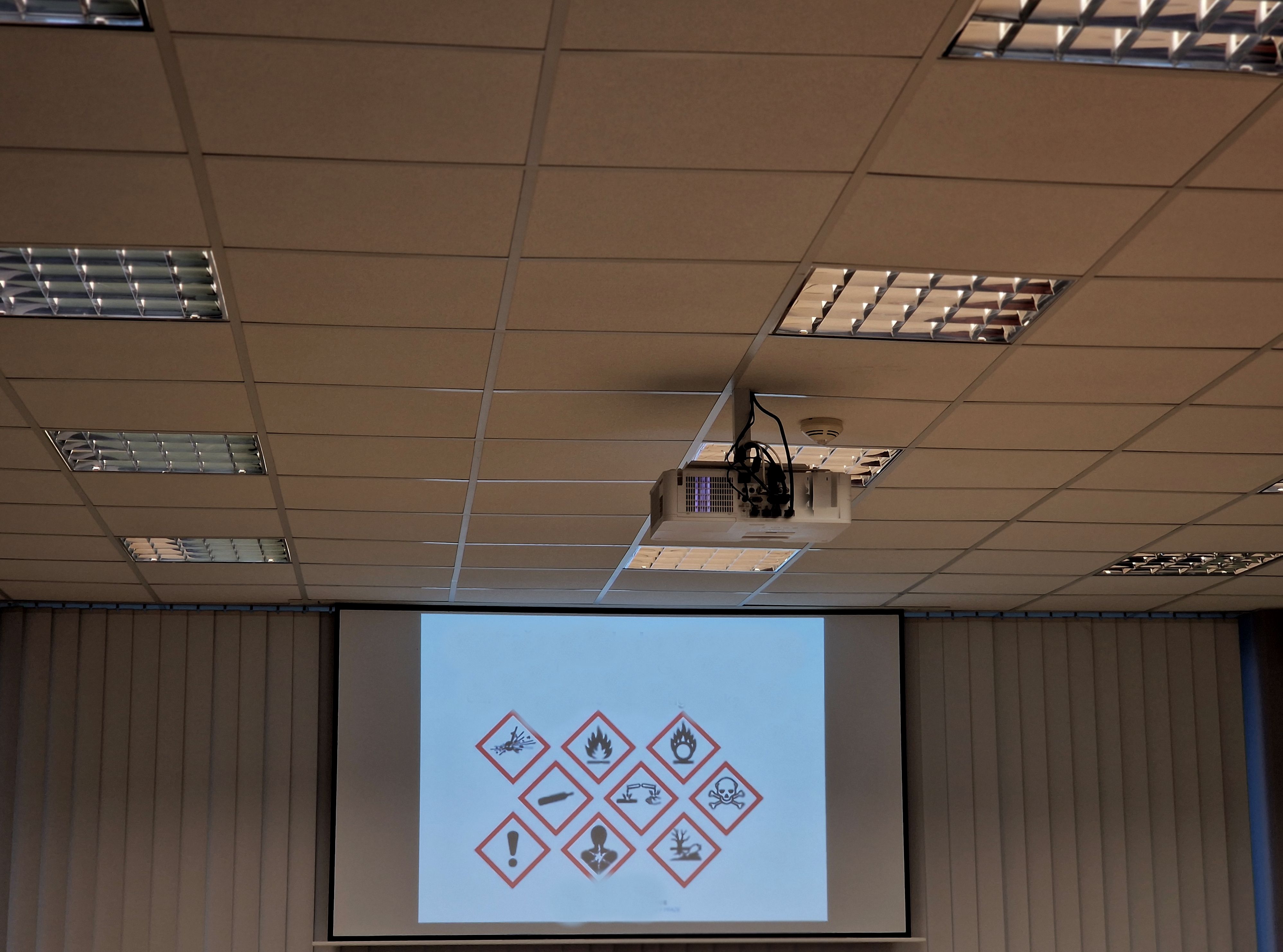
Furthermore, installing clear signage around the building can help in reinforcing safety practices. Signs indicating fire extinguisher locations, emergency exits, and assembly points can guide individuals during an emergency, enhancing overall safety.
Conducting a Pre-Audit Inspection
Before the official audit, consider conducting a pre-audit inspection. This internal review can help identify any areas needing attention and ensure compliance with fire safety standards. Use a checklist to cover all aspects of fire safety, from equipment functionality to evacuation procedures.
Address any issues found during this inspection promptly. Making necessary corrections before the official audit can prevent potential compliance issues and improve the overall safety of your building.
Conclusion
Preparing for a fire safety audit involves a thorough review of fire safety equipment, updating emergency plans, conducting training sessions, and performing a pre-audit inspection. By taking these steps, you not only ensure compliance but also enhance the safety and security of all building occupants. Remember, proactive preparation is key to a successful fire safety audit.